Browse by Subject
|
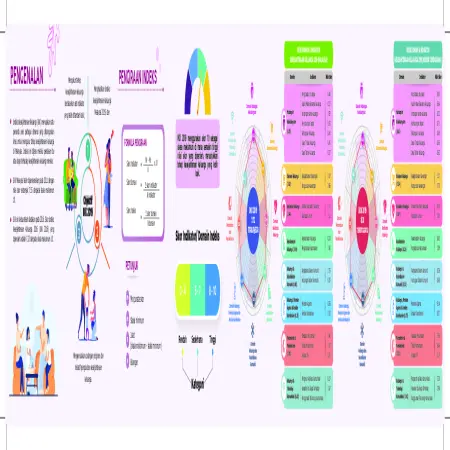
Indeks Kesejahteraan Keluarga Malaysia 2019 (IKK 2019) Negeri Terengganu
Item Type: Infographic
Editor:
Year: 00/00/2021
Abstract: The Family Well -Being Index (FWBI) is a multi -dimensional benchmark specially developed to measure the level of family well -being in Malaysia. This index is generated through a mother’s or father’s assessment of their family’s well-being. The Family Well-Being Index Score for Terengganu was 8.10 from a maximum score of 10, which was at the high level.
|
|
|
|
|
|
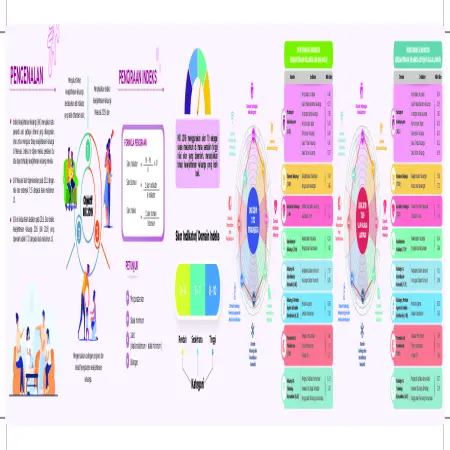
Indeks Kesejahteraan Keluarga Malaysia 2019 (IKK 2019) Wilayah Persekutuan Kuala Lumpur
Item Type: Infographic
Editor:
Year: 00/00/2021
Abstract: The Family Well -Being Index (FWBI) is a multi -dimensional benchmark specially developed to measure the level of family well -being in Malaysia. This index is generated through a mother’s or father’s assessment of their family’s well-being. The Family Well-Being Index Score for the Federal Territory of Kuala Lumpur was 7.59 from a maximum score of 10, which was at the moderate level.
|
|
|
|
|
|
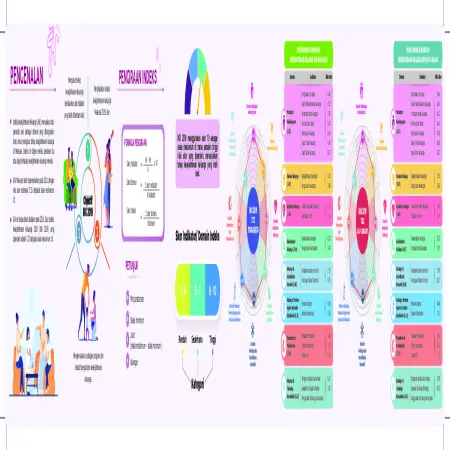
Indeks Kesejahteraan keluarga Malaysia 2019 (IKK 2019) Wilayah Persekutuan Labuan
Item Type: Infographic
Editor:
Year: 00/00/2021
Abstract: The Family Well -Being Index (FWBI) is a multi -dimensional benchmark specially developed to measure the level of family well -being in Malaysia. This index is generated through a mother’s or father’s assessment of their family’s well-being. The Family Well-Being Index Score for the Federal Territory of Labuan was 7.82 from a maximum score of 10, which was at the moderate level.
|
|
|
|
|
|
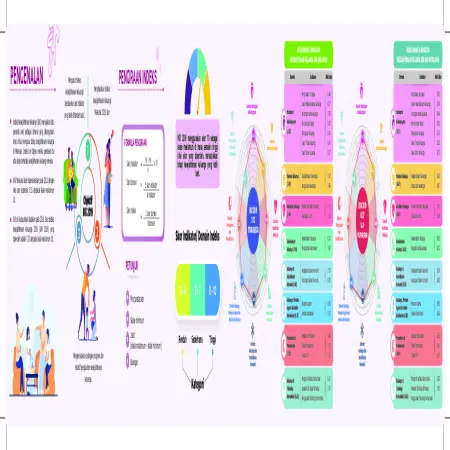
Indeks Kesejahteraan keluarga Malaysia 2019 (IKK 2019) Wilayah Persekutuan Putrajaya
Item Type: Infographic
Editor:
Year: 00/00/2021
Abstract: The Family Well -Being Index (FWBI) is a multi-dimensional benchmark specially developed to measure the level of family well -being in Malaysia. This index is generated through a mother’s or father’s assessment of their family’s well-being. The Family Well-Being Index Score for the Federal Territory of Putrajaya was 8.37 from a maximum score of 10, which was at the high level.
|
|
|
|
|
|
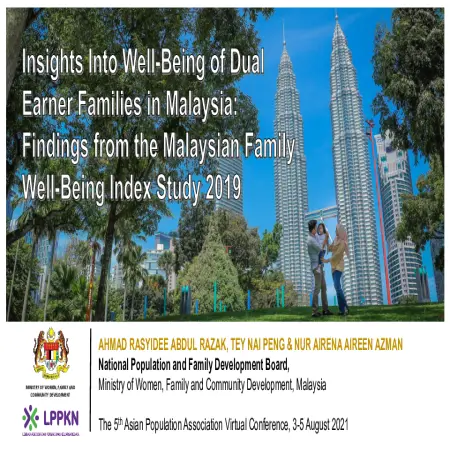
Insights into the well-being of dual earner families in Malaysia: findings from the Malaysian Family Well-Being Index Study 2019
Item Type: Conference or Workshop Item
Editor:
Year: 00/00/2021
Abstract: Traditionally, GDP has been used as a measure of a country’s level of development, and the quality of life of citizens. Of late, the happiness index has gained increasing attention, as a measure of well-being, to include income distribution and non-financial aspects, such religious and spiritual well-being, and inter-personal relationship. Malaysia has conducted three rounds of the family well-being surveys to provide inputs for the five-year development plans. The overall family well-being score among dual earner families in Malaysia was 7.84 out of a maximum scale of 10, which is at the moderate level.
|
|
|
|
|
|
Impact of Covid 19 on family planning and ending gender based violence
Item Type: Conference or Workshop Item
Editor:
Year: 00/00/2020
Abstract: Women represent 70 % of the global health workforce. Hence, women are disproportionately exposed to the coronavirus. Global Supply chains are disrupted, impacting the availability of contraceptives and heightening the risk of unintended pregnancy. As countries are on lockdown and health systems struggle to cope, sexual and reproductive health services are being sidelined and gender-based violence is on the rise. The pandemic is making existing gender inequality even worse. Recent UNFPA projections highlighted the impact of a 6 month lockdown to women and girls which is 47 million women in developing countries may not be able to access modern contraceptives resulting in 7 million unintended pregnancies. This presentation slides discuss the impact of Covid-19 on family planning and ending gender based-violence.
|
|
|
|
|
|
Indeks Kesejahteraan Keluarga Malaysia 2019
Item Type: Infographic
Editor:
Year: 00/00/2020
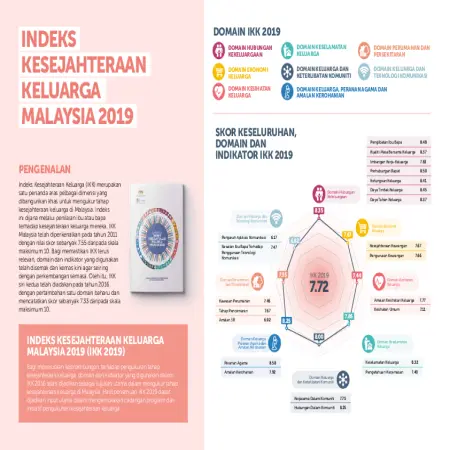
Abstract: The Malaysian Family Well-Being Index is a multi -dimensional benchmark that specially developed to measure levels family well-being in Malaysia. Index is generated through maternal or paternal assessment to the well -being of their families. The Family Well-being Index 2019 score has increased to 7.72 from a maximum scale of 10 compared to 7.33 in 2016.
|
|
|
|
|
|
International Women's Day 2019 # BalanceforBetter
Item Type: Infographic
Editor:
Year: 00/00/2019
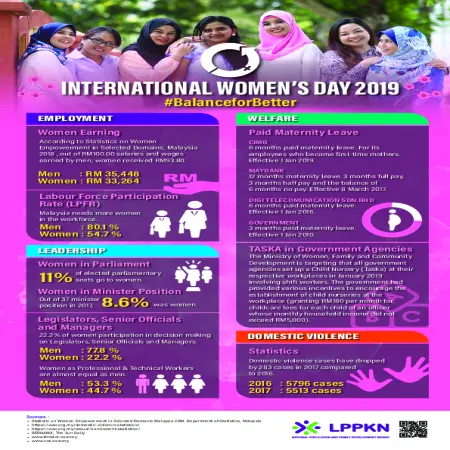
Abstract: This infographic shows statistics on women's involvement in Malaysia in areas such as employment, leadership, welfare as well as incentives provided by the government and the private sector in supporting women's involvement in the labor force.
|
|
|
|
|
|
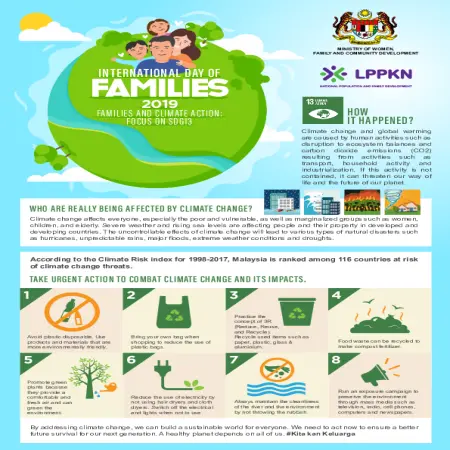
International Day of Families 2019: families and climate action: focus on SDG13
Item Type: Infographic
Editor:
Year: 00/00/2019
Abstract: Climate change and global warming are caused by human activities such as discruption to ecosystem balances and carbon dioxide emissions (CO2) resulting from activities such as transport, household activity and industrialization. If this activity is not contained, it can threaten our way of life and the future of our planet.
|
|
|
|
|