Browse by Type
|
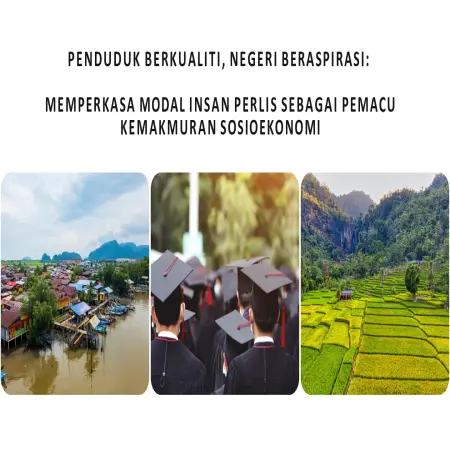
Penduduk berkualiti, Negeri beraspirasi: memperkasa modal insan Perlis sebagai pemacu kemakmuran sosioekonomi
Item Type: Conference or Workshop Item
Editor:
Year: 00/08/2025
Abstract: Human capital development is one of the holistic efforts that emphasize the well-being of individuals and society. Socioeconomic development in Perlis can only be achieved if the potential of human capital is widely utilized. Investment in human capital needs to consider the unique demographics, local economic challenges, and the cultural and religious values of the Perlis community. The main strategy is to increase participation rates in the labor market, especially among youth and graduates, strengthen the relationship between education and industry, and advance local economic sectors such as smart agriculture and community tourism.
|
|
|
|
|
|
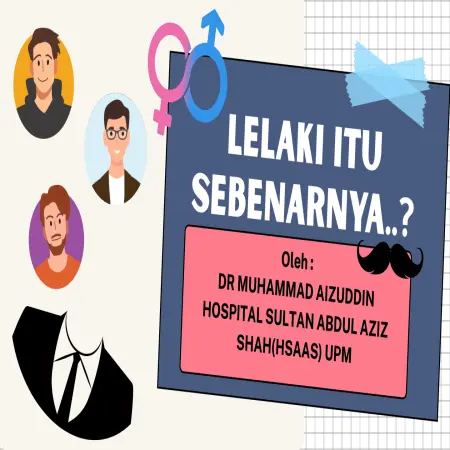
Lelaki itu sebenarnya…?
Item Type: Conference or Workshop Item
Editor:
Year: 00/08/2025
Abstract: Unraveling the myths, realities, and science of men's health and fertility in Malaysia. Malaysia's fertility rate has dropped far below the replacement level (2.1) since 2013. In Malaysia, 1 in 10 men show poor-quality sperm. The causes of male fertility problems are obesity; lifestyle (smoking/alcohol/drugs); health and medical issues; age factors.
|
|
|
|
|
|
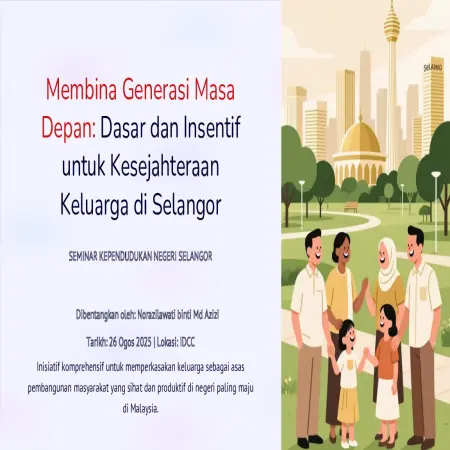
Membina generasi masa depan: dasar dan insentif untuk kesejahteraan keluarga di Selangor
Item Type: Conference or Workshop Item
Editor:
Year: 00/08/2025
Abstract: The main challenges for families in Selangor are the rising cost of living; access to childcare and education; limited quality time with family; work-life pressure and mental health. Selangor provides various incentives and programs to help families directly address their financial, educational, and health needs.
|
|
|
|
|
|
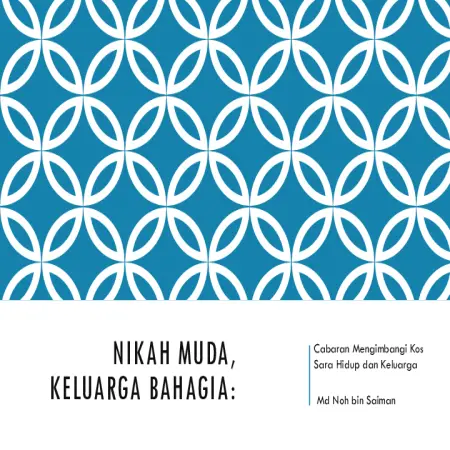
Nikah muda, keluarga bahagia: cabaran mengimbangi kos sara hidup dan keluarga
Item Type: Conference or Workshop Item
Editor:
Year: 00/08/2025
Abstract: The trend of early marriage in Malaysia is gaining more attention due to the increasing trend of age at first marriage. A happy family is the dream of every couple, but careers are more the focus of young people. The high cost of living is the main challenge. In addition, young couples lack maturity in managing conflicts; social pressures and in-laws; student loans and financial commitments. The challenges of the cost of living can be overcome with planning and strategies to balance the cost of living.
|
|
|
|
|
|
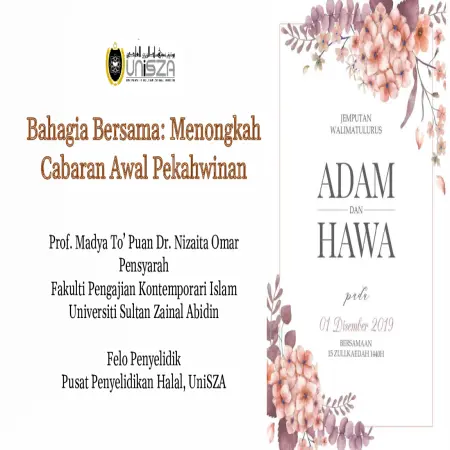
Bahagia bersama: menongkah cabaran awal perkahwinan
Item Type: Conference or Workshop Item
Editor:
Year: 00/08/2025
Abstract: Divorce cases among Muslim couples in Terengganu increased by 20 percent in the first 10 months of this year. The percentage causes of divorce are lack of understanding and infidelity. The key to happiness together is tolerance and love; trust and responsibility; knowledge and values; faith and piety.
|
|
|
|
|
|
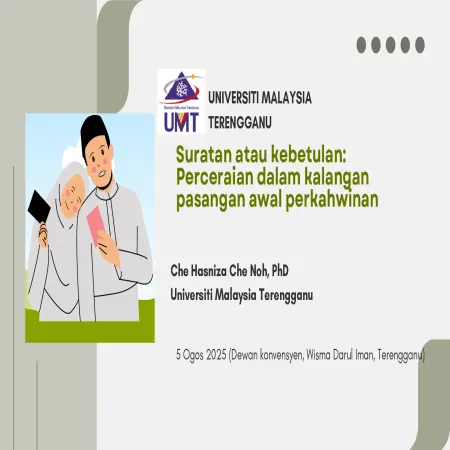
Suratan atau kebetulan: perceraian dalam kalangan pasangan awal perkahwinan
Item Type: Conference or Workshop Item
Editor:
Year: 00/08/2025
Abstract: Divorce among Muslim couples increased by 45.8% in 2022, with 46,138 cases compared to 31,650 cases in 2021. This divorce rate is more pronounced among young couples (ages 30-34). An analysis of 50 sampled divorce cases based on Divorce Certificates from 2020 to 2023 in Terengganu showed that the highest divorce rate was for marriages lasting between 1 to 5 years. In summary for the years 2020 (27 cases), 2021 (18 cases), 2022 (17 cases) and 2023 (21 cases).
|
|
|
|
|
|
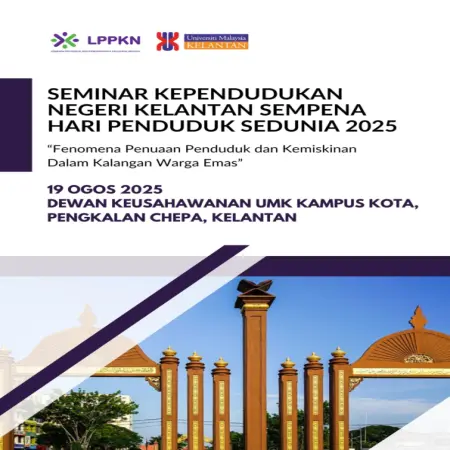
Laporan Seminar Kependudukan Negeri Kelantan Sempena Hari Penduduk Sedunia 2025
Item Type: Report
Editor:
Year: 00/08/2025
Abstract: In conjunction with the celebration of World Population Day 2025 at the Kelantan state level, the Kelantan State of National Population and Family Development Board (LPPKN) in collaboration with Universiti Malaysia Kelantan has organized the Kelantan State Population Seminar at Universiti Malaysia Kelantan, Pengkalan Chepa, Kelantan on 19 August 2025. The theme of the Kelantan State World Population Day celebration this time is "The Phenomenon of Population Aging and Poverty Among the Elderly". Also held at this celebration is the Population Forum entitled "The Phenomenon of Population Aging and Poverty Among the Elderly". Three (3) working paper presentations were also presented, namely the issue of population aging, elderly people and poverty.
|
|
|
|
|
|
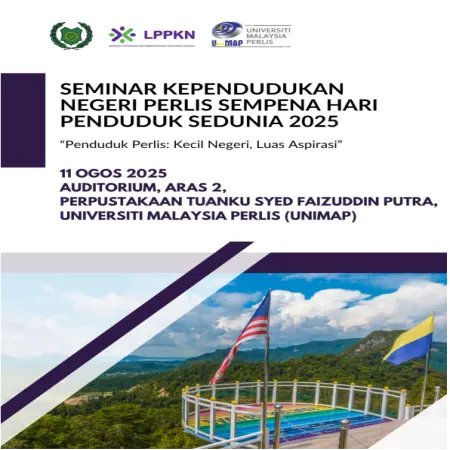
Laporan Seminar Kependudukan Negeri Perlis Sempena Hari Penduduk Sedunia 2025
Item Type: Report
Editor:
Year: 00/08/2025
Abstract: In conjunction with the celebration of World Population Day 2025 at the Perlis state level, the Perlis State of National Population and Family Development Board (LPPKN) in collaboration with the Perlis State Government, the Perlis State Women's Development and Social Welfare, Unity and Environment EXCO Office and Universiti Malaysia Perlis organized the Perlis State Population Seminar at Universiti Malaysia Perlis, Perlis on 11 August 2025. The theme of the Perlis state level World Population Day celebration this time is "Perlis Population: Small State, Big Aspirations". Also held at this celebration was the Population Forum titled "Empowering Young People to Form the Families They Want in a Fair and Hopeful World". Four (4) working paper presentations were also presented, namely socio-economic, health and family issues.
|
|
|
|
|
|
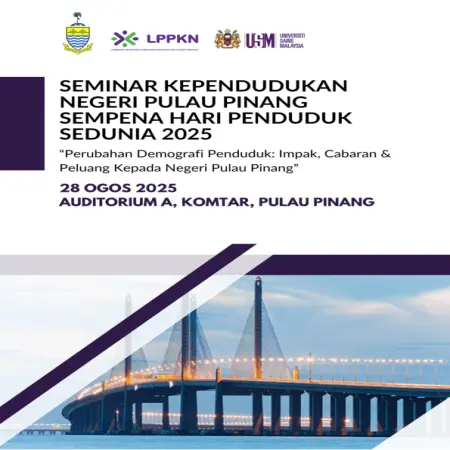
Laporan Seminar Kependudukan Negeri Pulau Pinang Sempena Hari Penduduk Sedunia 2025
Item Type: Report
Editor:
Year: 00/08/2025
Abstract: In conjunction with the celebration of World Population Day 2025 at the Penang state level, the Penang State of National Population and Family Development Board (LPPKN) in collaboration with the Penang State Government and Universiti Sains Malaysia organised the Penang State Population Seminar at Komtar, Penang on 28 August 2025. The theme of the Penang State World Population Day celebration this time is “Population Demographic Changes: Impact, Challenges and Opportunities for the State of Penang”. Also held at this celebration was the Population Forum entitled “Elderly Friendly Community: Empowering the State of Penang to Face an Aging Population”. Three (3) working paper presentations were also presented, namely demographic issues, reproductive health and fertility.
|
|
|
|
|
|
Laporan Seminar Kependudukan Negeri Terengganu Sempena Hari Penduduk Sedunia 2025
Item Type: Report
Editor:
Year: 00/08/2025
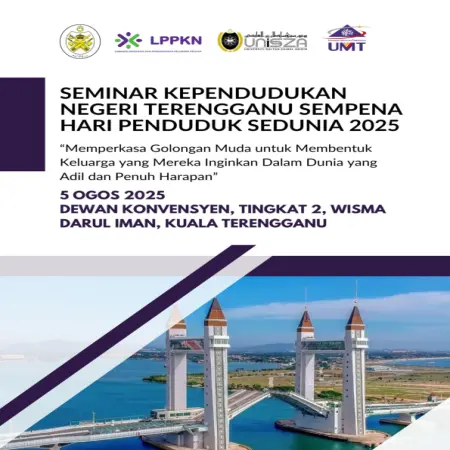
Abstract: In conjunction with the celebration of World Population Day 2025 at the Terengganu state level, the Terengganu state of National Population and Family Development Board (NPFDB) in collaboration with the Terengganu State Government, Universiti Sultan Zainal Abidin and Universiti Malaysia Terengganu organized the Terengganu State Population Seminar at Wisma Darul Iman, Kuala Terengganu, Terengganu on 5 August 2025. The theme of the Terengganu State World Population Day celebration this time is "Empowering Young People to Form the Families They Want in a Fair and Hopeful World". Also held at this celebration was the Population Forum entitled "Building a Harmonious Family in Terengganu". Two (2) working paper presentations were also presented, namely the issue of marriage and divorce.
|
|
|
|
|